

For years, the conventional wisdom said print was on its way out. Marketing budgets shifted to digital, and “paperless” became shorthand for “modern.” But something unexpected is happening in 2026: print is experiencing a genuine creative and commercial resurgence—and that’s because print solves a few problems digital can’t.
The problem: digital fatigue is real
The average consumer is exposed to thousands of digital ads every day. Emails are deleted in seconds. Social posts vanish from feeds almost as quickly as they appear. Banner ads are so routinely ignored that the phenomenon has its own name: banner blindness.
Print causes consumers to behave differently. A beautifully designed brochure sits on a desk. A catalog lives on a coffee table. A thoughtful mailer gets pinned to a corkboard. During that time—days, weeks, sometimes months—it keeps communicating your brand message, sometimes subconsciously. And research consistently shows that printed materials generate higher levels of trust than digital advertising. When everything can be generated, duplicated, and deleted with a click, something physical signals permanence, investment, and credibility.
In a screen-saturated world, the scarcest commodity is attention—and print earns it in a way pixels no longer can.
Design for the hand, not just the eye
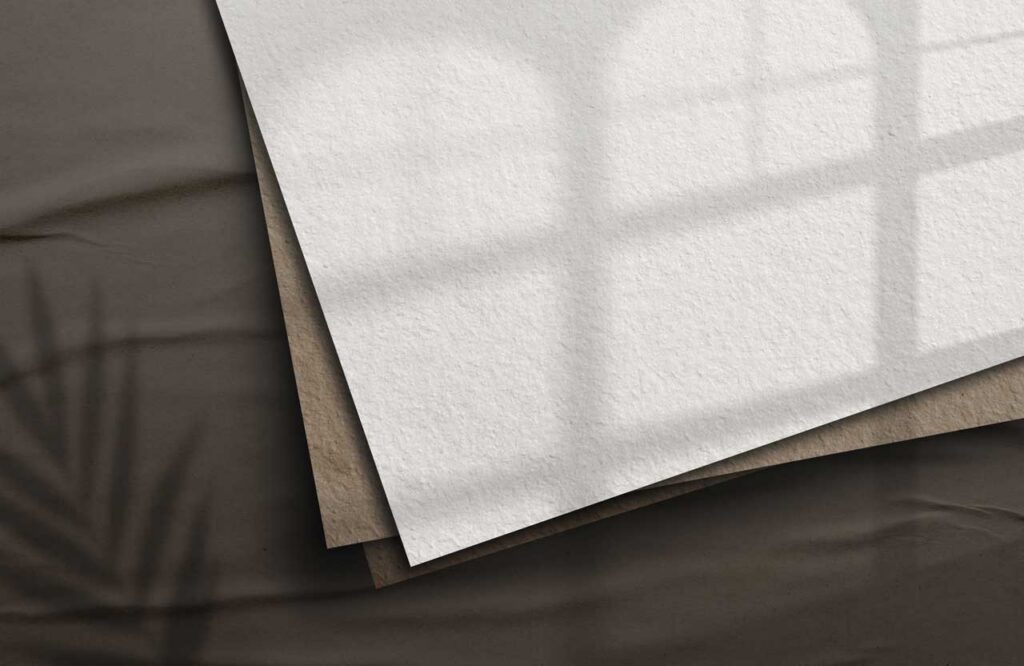
The most interesting shift in print design right now is that it has become as much about touch as sight. Coated stock is taking a back seat to heavier, textured papers that create a “this feels different” moment the instant someone picks them up.
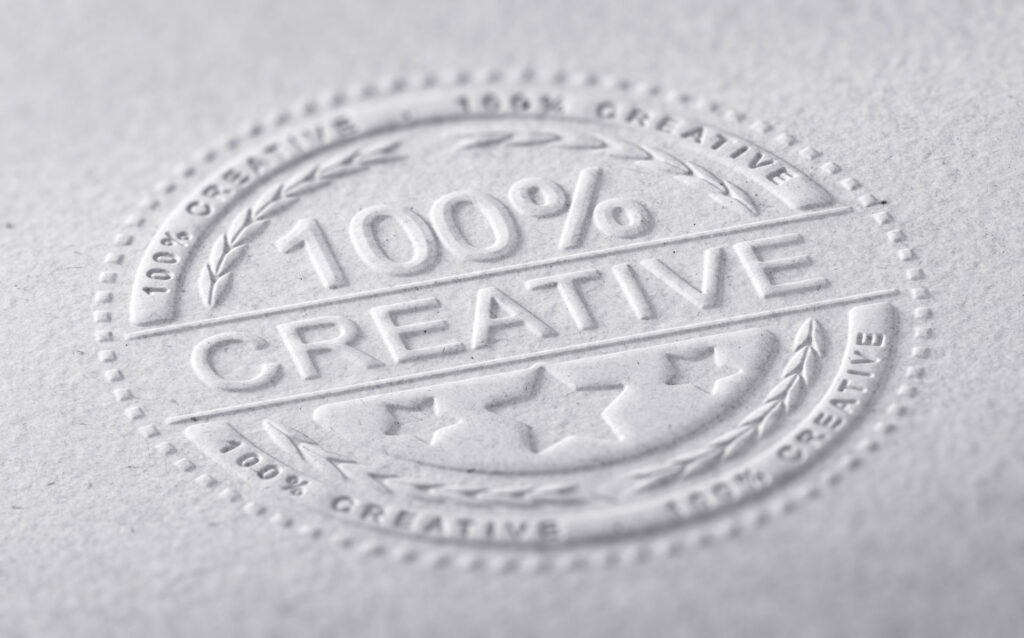
Finishes are getting smarter, too. Foil is being used with far more intention, such as metallic accents that guide the eye to a headline or logo. Embossing and spot varnishes are being deployed to add depth and dimension. These details do more than look premium—they communicate credibility and stability in a world of AI slop and dubious claims.
Color and typography are evolving alongside the materials. Oversaturated palettes are giving way to warmer, more lived-in tones, often paired with bold, confident typography that carries the design with minimal clutter. The result is print that feels calm, deliberate, and crafted.
Perfect is out. Personality is in.
As AI-generated imagery has made flawless visuals effortless, flawlessness itself has started to feel sterile and expected. In response, designers are embracing texture, layering, hand-drawn elements, and deliberate imperfection—the visual language of something made by humans, for humans. For brands, the takeaway is simple: the printed pieces that get kept are the ones with personality.
Print that’s designed to be kept
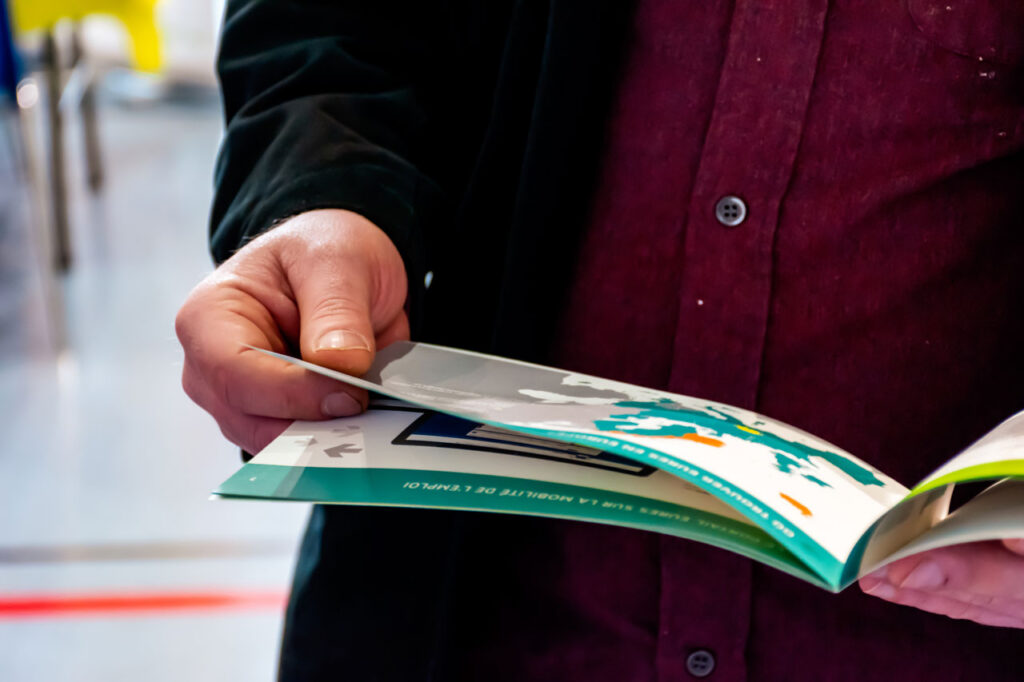
The best print today is designed to be kept, rather than distributed. Brands are producing things like limited-edition catalogs, lookbooks, high-quality merch, and printed pieces with genuine keepsake value. Scarcity creates excitement, and quality creates longevity. A piece someone keeps is one that markets for you every single day it stays on their desk.
What this means for your brand
None of this means abandoning digital—quite the opposite. The organizations winning right now are the ones pairing strong digital strategies with memorable physical design, using each channel for what it does best. Digital delivers reach and speed. Print delivers presence, trust, and staying power.
If it’s been a few years since you refreshed your printed materials, this is the moment. The bar has been raised, but so has the payoff.
Thinking about elevating your print collateral? We can help you design pieces your customers will actually want to hold onto. Let’s talk.